- SiteNews
- Posts
- 💧 Tough break
💧 Tough break
Calgary battles water main issues (again), B.C. awards $242M contract, and 7 trends we think you should watch in 2026.

Russell Hixson
January 06, 2026

Together with

Good morning! 🎉 Now that the champagne bottles are in the recycling, the SiteNews team is back and ready for 2026! We hope you found some time to rest and got refreshed like we did. The next few months will be filled with big announcements, events, awards and more.
⏰ Today’s read: 5 minutes
MARKETS
Economy: Copper prices have soared dramatically, climbing to over $17,800 per tonne at recent peaks — roughly 40 % higher than levels around $12,600–$13,000 per tonne seen just months earlier — as investors reacted to intensifying supply‑shortage fears and surging demand from AI data centres, electric vehicles and infrastructure projects, pushing markets into a broader scramble for critical minerals. Tight conditions have been further amplified by geopolitical risks such as turmoil in Venezuela and recent mine disruptions.
TOGETHER WITH POMERLEAU
Why contractors are choosing Pomerleau for B.C.’s toughest marine builds
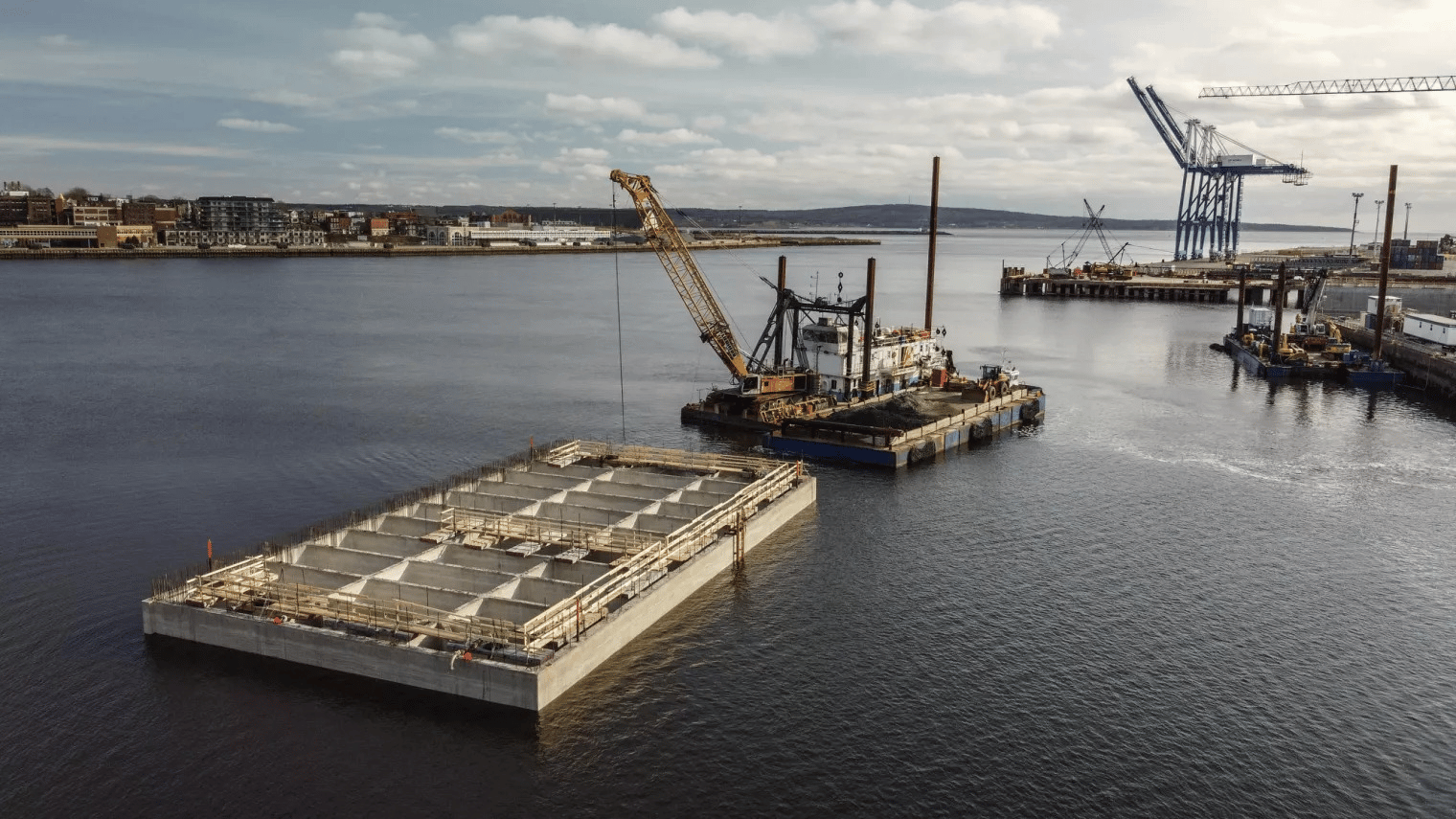
After more than a decade of success, Pomerleau is positioning itself as B.C.’s go-to marine and deep foundations partner by combining the scale, financial strength, and engineering depth of a national contractor with localized expertise in regulation, environment, and seismic conditions. Their portfolio includes major projects such as the $250-million Fraser River Tunnel drydock works, marine construction for Woodfibre LNG in sensitive Howe Sound waters, the Duke Point Terminal expansion, and the Belleville Terminal redevelopment in Victoria. Learn more about their approach to marine work below.
NEED TO KNOW
The week's headlines
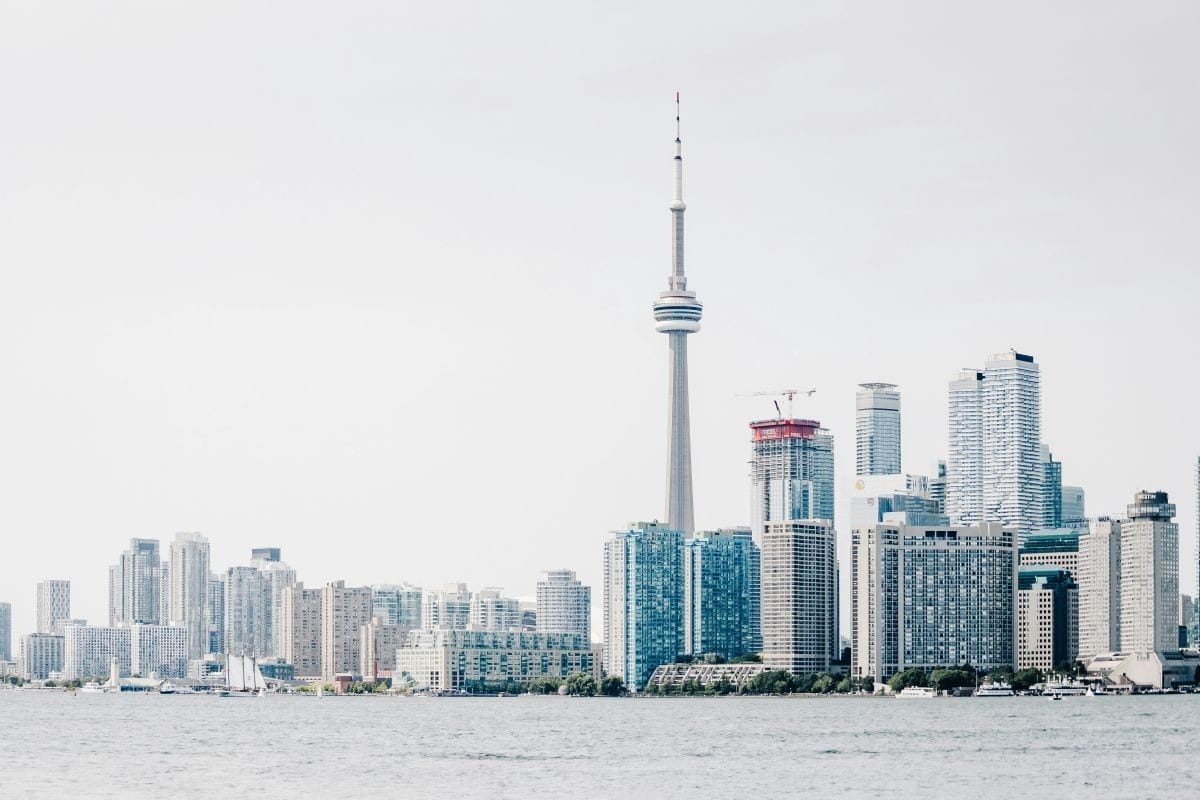
🚘 Decongestant: Andrew Posluns is Toronto’s new “traffic czar,” officially titled chief congestion officer and executive director of the Strategic Capital Coordination Office. With experience at Metrolinx and the Canada Infrastructure Bank, Posluns will lead the city’s congestion management efforts, including presenting the Congestion Management Plan in April, coordinating construction projects to reduce traffic impacts, and overseeing transportation planning for next year’s FIFA World Cup.
☀️ Transformation: Keith Hirsche’s RenuWell Project in Alberta is piloting the conversion of retired oil and gas well sites into small solar farms, aiming to repurpose idle land while supporting renewable energy generation. The initiative targets roughly 17,000 ideal well sites, which could collectively produce enough electricity to meet nearly all of Alberta households’ consumption and create tens of thousands of construction and permanent renewable-energy jobs.
🚧 Interchange: A joint venture of Hall Constructors, Jacob Bros., and EBC Inc. has won the $242-million design-build contract for the Highway 11 Interchange Project in Abbotsford, B.C. The project, part of the $2.65-billion Fraser Valley Highway 1 Corridor Improvement Program. Work begins in January 2026 and is expected to be completed by 2031.
👀 Looking ahead: A new prime minister, trade war with our closest ally, the launch of huge government programs, game-changing court cases, dramatic economic shifts — 2025 was a big year for the industrial sector. But with it rapidly disappearing in the rearview mirror, we rounded up some of the major trends to keep an eye on in 2026.
THE BIG STORY
Calgary battles new water main break
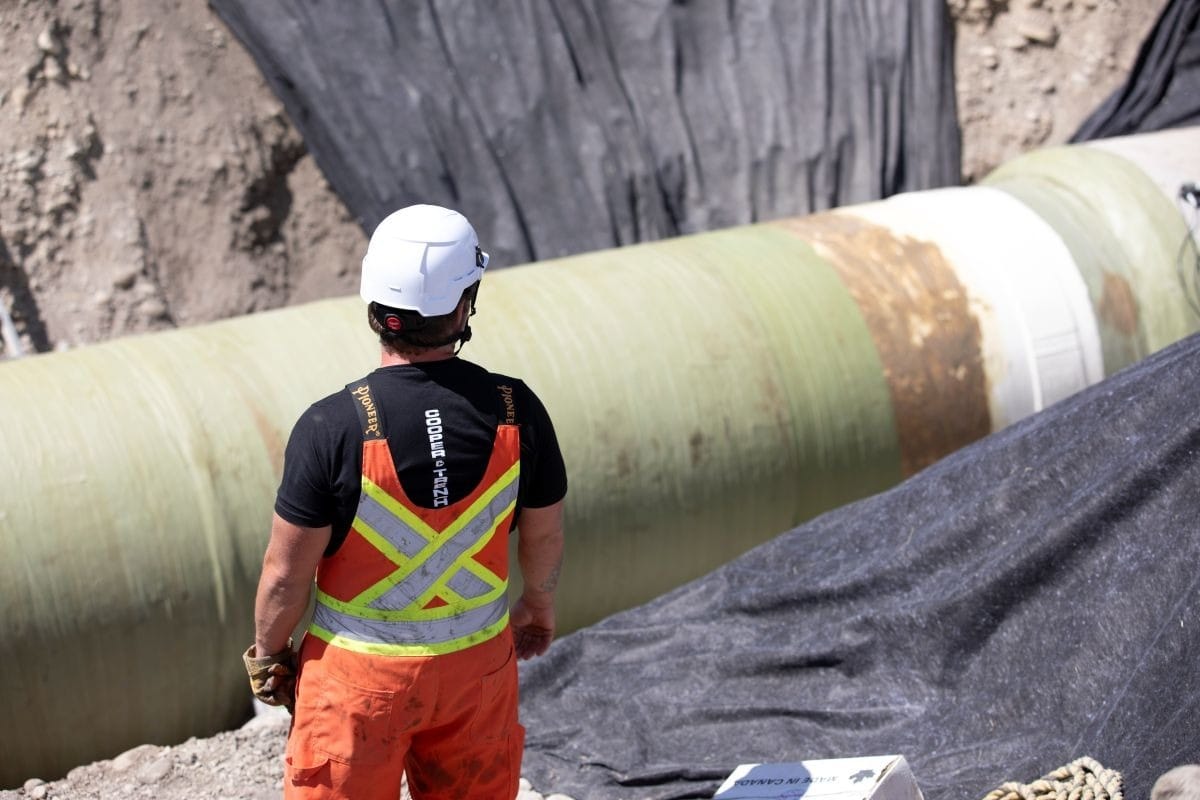
It happened again.
One week ago, Calgary’s Bearspaw feeder main experienced its second catastrophic failure in the last two years, throwing the city’s water supply for more than 1.5 million people into peril. Crews are currently working on emergency repairs and water restrictions are now an ongoing reality for residents.
How we got here: An in-depth investigation from the city into the June 2024 rupture of the same water main found that microcracking, high levels of chloride levels from winter road treatments seeping into those cracks, and the resulting corrosion/wire damage from those conditions contributed to the failure.
What was done: Following the 2024 failure, the city undertook emergency efforts, expanded this into multiple segment repairs, and then stabilized the line through a broader program of spot repairs. The response also added continuous monitoring to detect early signs of pipe distress and laid the groundwork for long‑term system resilience through design and planning of a new parallel feeder main and eventual replacement of aging sections as part of a multi‑year capital program.
End of the line: Early detection failed during last week’s incident and the urgency of those long-term repairs has been significantly bumped up. Calgary Mayor Jeromy Farkas didn’t mince words, telling the public that no amount of short-term fixes, no amount of patchwork will be able to get the infrastructure back into a reliable condition. He stressed that a parallel line must be completed and the main will continue to fail until that’s completed.
Next steps: An independent review of the 2024 incident is being led by longtime ATCO executive Siegfried Kiefer, who was appointed just over a year ago to provide an external assessment. Kiefer said the panel’s primary focus is understanding why the main initially ruptured and why the issue was not identified earlier, with an emphasis on prevention and whether earlier detection could have avoided the failure and reduced its impact on Calgary residents.
A larger issue: Canada’s first ever National Infrastructure Assessment, released last November, found more than 11% of Canada’s water and wastewater assets were in poor or very poor condition in 2022, representing an estimated $107 billion in replacement value. At the same time, water losses have risen from 13% in 2011 to 17% in 2021—about 806 million litres, roughly equal to all drinking water used in B.C. that year—reflecting Canada’s historically high leakage rates due to weak leak detection and repair practices.
PROJECT SPOTLIGHT
Massive impact
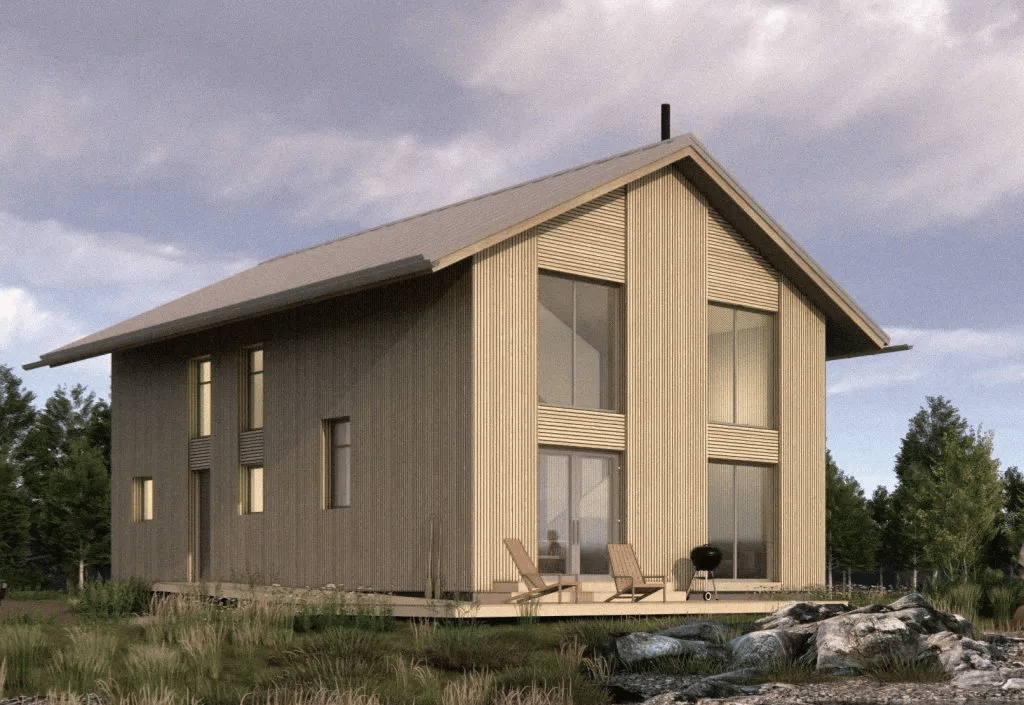
A new prototype home in Nak’azdli Whuten near Fort St. James, B.C., demonstrates an Indigenous-led housing model using locally sourced low-grade wood to create prefabricated mass timber panels in northern communities. Developed through a collaboration between Nak’azdli Whuten Development Corp., Deadwood Innovations, and UNBC researchers, the system allows panels to be manufactured locally during winter and assembled quickly in summer, supporting local employment and economic development. The two-storey model home, featuring three bedrooms, two bathrooms, and exposed timber on three sides.
PROJECT UPDATES
Yellowhead Trail conversion work entering final phase
Youth centre under construction for Little Salmon Carmacks First Nation
N.B.’s first dedicated ball hockey complex takes shape in Saint John
Denison ready to start construction at Canadian uranium project
WHAT WE’RE TALKING ABOUT
📊 STUDY: Ontarians skeptical of Highway 401 Tunnel Expansion
🪵 WATCH: Will tariffs kill imperial 2x4s in Canada?
🏒 READ: Canada has 'backup plans' for Olympic hockey facilities
🏗️ WATCH: the biggest mega build disasters of 2025
🪖 READ: This Nova Scotia bomb shelter is transforming into condos
ADVERTISE WITH SITENEWS
Get your message and brand in front of Canada’s construction leaders and decision-makers by advertising in our newsletter. Learn how to partner with us here.
Here’s to a great rest of the week!
Disclaimer: SiteNews is an independently-operated news website. Views expressed are that of the editorial team and are based on publicly available information unless otherwise noted through sponsored content.